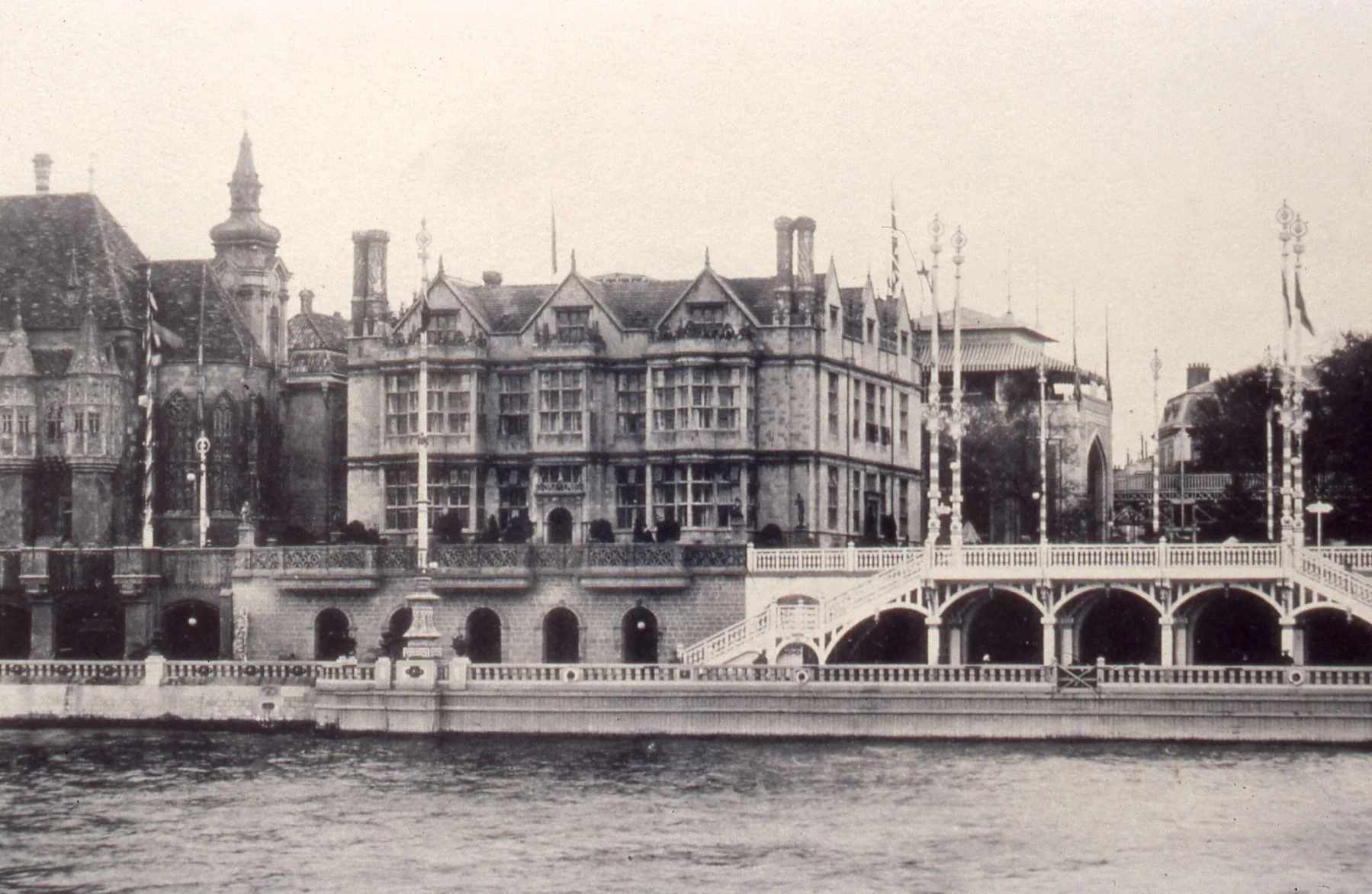
When The Hall Estate Went to Paris: The 1900 World’s Fair

Today, The Hall Estate stands quietly in the historic town of Bradford on Avon, a beautiful Jacobean mansion that has overlooked the town since 1610. But at the turn of the twentieth century, The Hall Estate briefly stepped onto the international stage — when a full-scale replica of the house was built in Paris for one of the greatest exhibitions ever held.

In 1900, Paris hosted the Exposition Universelle, a vast world’s fair designed to celebrate the achievements, culture, and innovation of nations from around the globe. Stretching along both banks of the River Seine, the exhibition attracted more than 48 million visitors, making it one of the most spectacular international events of its time.

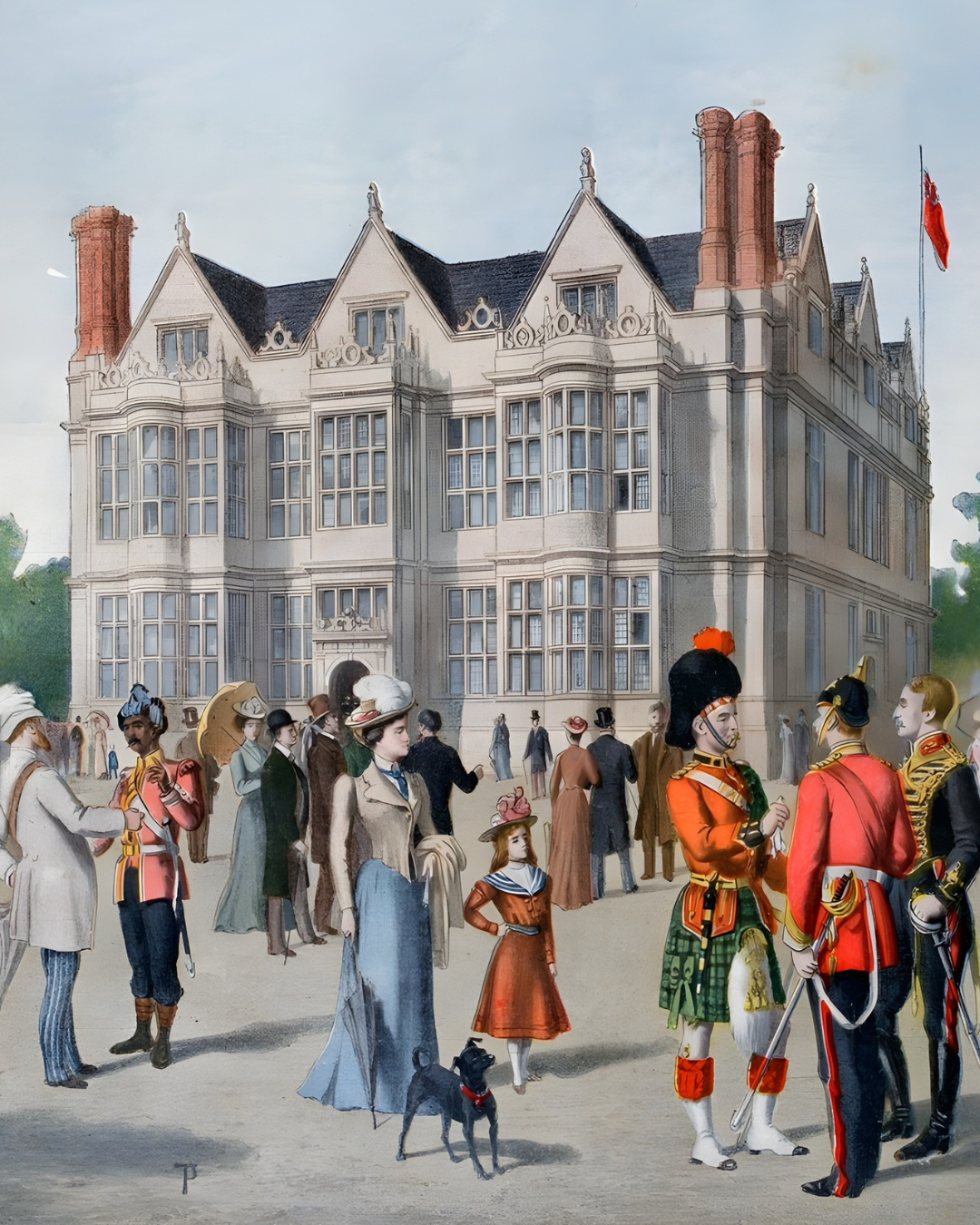
For the British contribution to the exhibition, organisers wanted to showcase examples of traditional English architecture. Rather than constructing a generic pavilion, they chose to recreate a historic English house that represented the elegance and character of the Jacobean period.

Their model was The Hall Estate.

At the exhibition, a replica of the house — then commonly referred to as Kingston House — was constructed beside the River Seine, allowing visitors from around the world to experience what was considered a classic example of an English country residence.

The choice was no accident. Even by the late nineteenth century, The Hall Estate was widely admired by architectural historians as one of the finest surviving smaller Jacobean mansions in England. Its balanced proportions, decorative stonework, and distinctive character made it an ideal symbol of early seventeenth-century English domestic architecture.

For visitors walking through the exhibition grounds in Paris, the building offered a glimpse into the world of historic England — a striking contrast to the futuristic inventions and industrial displays that surrounded it.

The 1900 Exposition Universelle was designed to showcase modernity: electricity, engineering, and technological progress were all central themes. Yet the inclusion of historic architecture reflected another important idea — that national identity could also be expressed through heritage.

By recreating a Jacobean mansion, Britain presented itself not only as a modern industrial nation but also as a country with a deep architectural and cultural tradition.

For millions of visitors, the replica of The Hall Estate became a symbol of the timeless charm of the English country house. More than four centuries after it was first built, The Hall Estate continues to stand in the centre of Bradford on Avon, surrounded by its historic grounds and overlooking the town that shaped its history.

Yet for a brief moment in 1900, its influence extended far beyond Wiltshire.

Next
Next

The Hall Estate and Moulton Bicycles: A Historic Collaboration