

A Jacobean Legacy Rooted in Industry and Innovation
Built in 1610, The Hall Estate is a striking Grade I-listed Jacobean mansion, rich in over 400 years of innovation and industrial heritage.
Over the centuries, influential figures connected to Britain’s booming woollen, rubber, and automotive industries have lived here. In the 19th and 20th centuries, The Hall Estate stood at the crossroads of industrial progress, hosting pioneers whose innovations shaped Great Britain.

The Hall Estate Timeline
1610
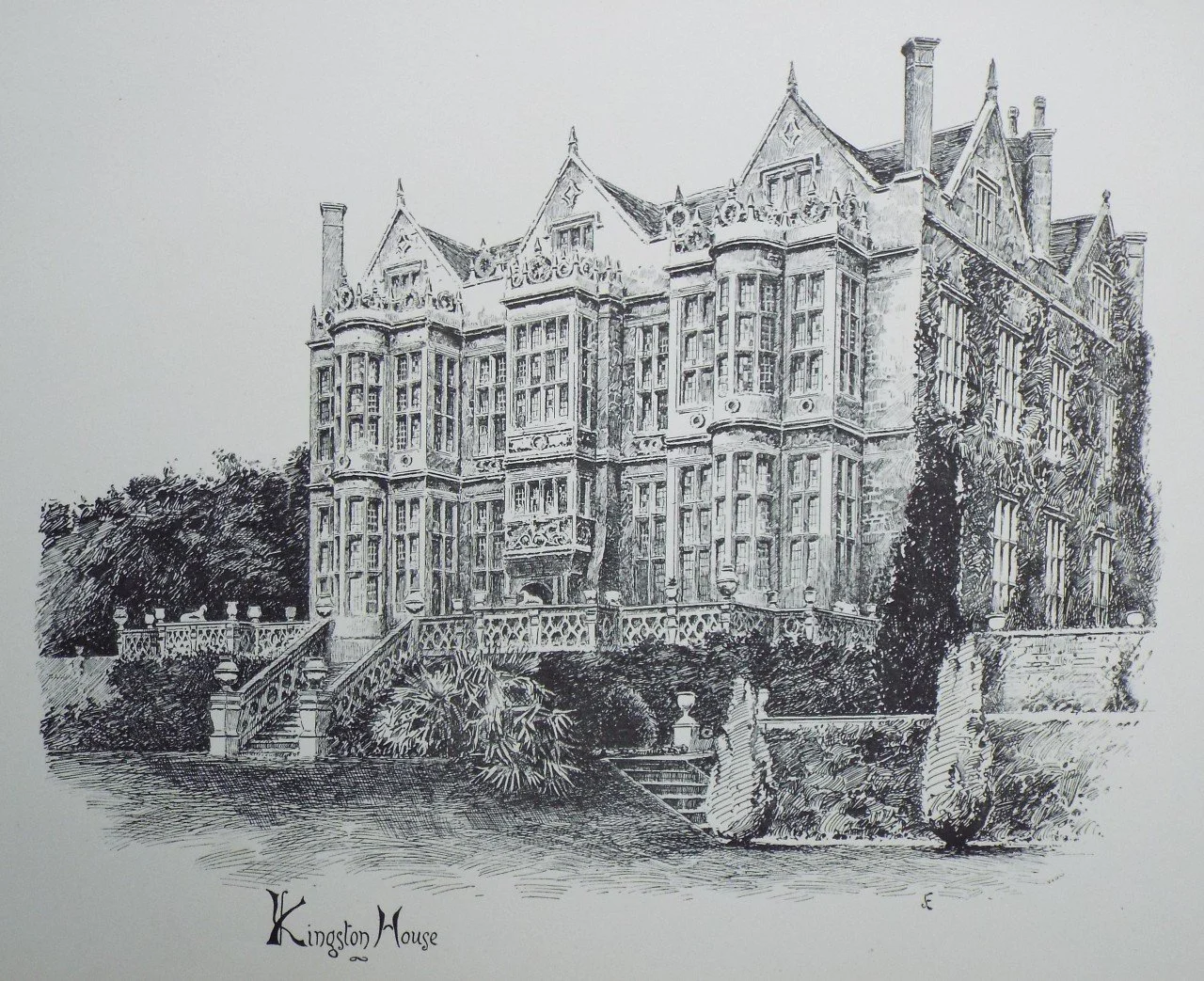
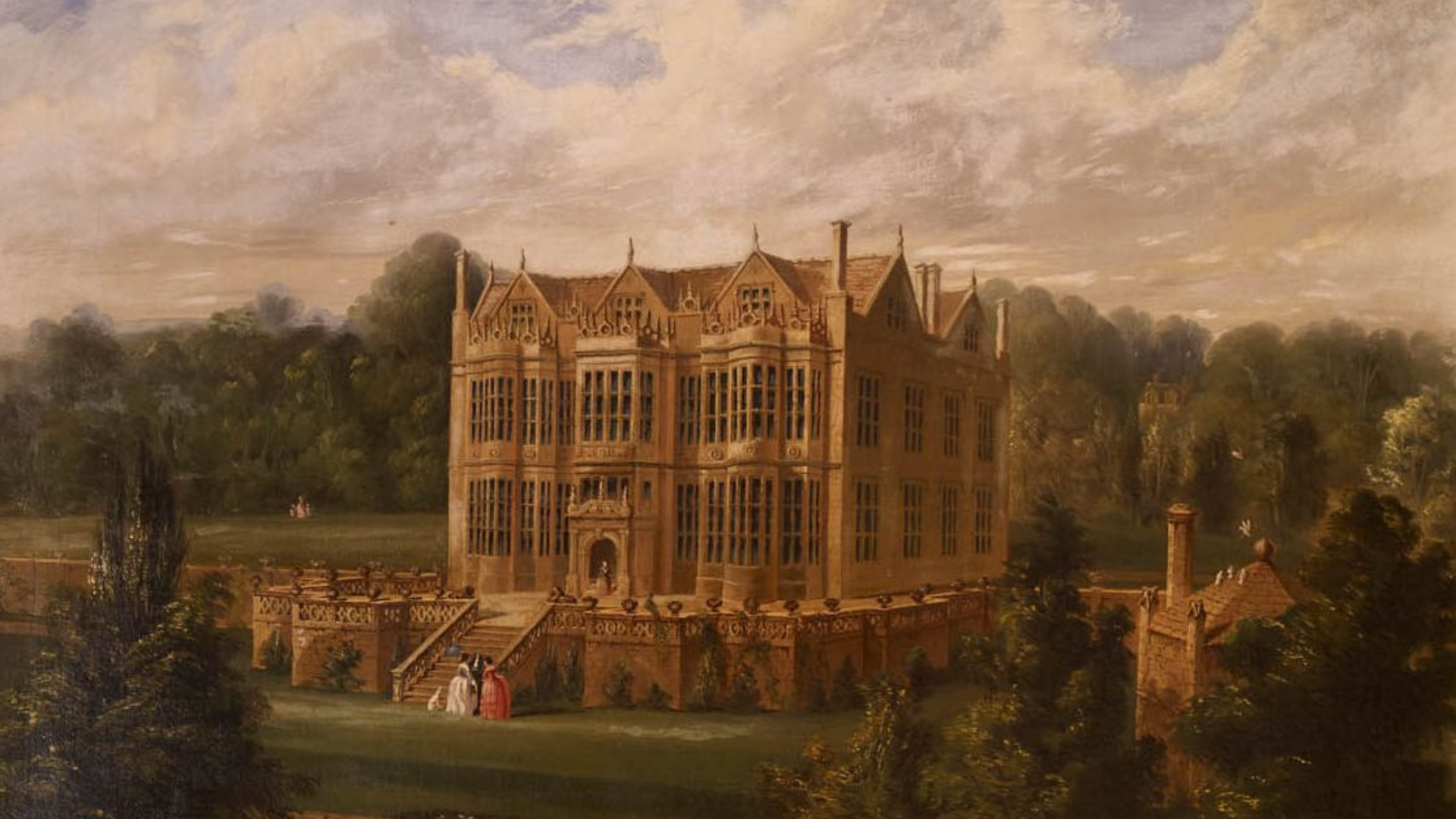
The Hall Estate was built in 1610 for John Hall II, a member of one of Bradford on Avon’s oldest and most prosperous families. The Halls had been established in the town for centuries, their fortunes closely intertwined with the development of the wool and cloth trade that would transform Bradford on Avon into one of Wiltshire’s most prosperous communities.

1640
The Hall family rose to become among the elite of their time. Thomas Hall, son of John Hall II. married Catherine Seymour—the daughter of Sir Edward Seymour. Catherine’s lineage was nothing short of illustrious: her father was the great-grandson of Edward Seymour, Lord Protector during the minority of Edward VI, and brother to Jane Seymour, third wife of Henry VIII.

1660
Thomas Hall was succeeded in the mid-1660s by his son—also named John—who married Elizabeth Thynne, a member of the distinguished Thynne family of Longleat. After the death of John Hall III, The Hall Estate passed through his illegitimate daughter Rachel Bayntun via a special act of Parliament after marrying into one of England’s most powerful families.
1726
Upon Rachel Bayntun’s death, her son, Evelyn Pierrepont, became the 2nd Duke of Kingston-upon-Hull and would inherit The Hall Estate and numerous lands near and around Bath Abbey as the city rose to fame. Known as “the handsomest man in England,” he was a prominent early excavator of the Roman Baths.

1773
Evelyn Pierrepont secretly married Elizabeth Chudleigh, a bold and controversial figure already wed to another man. After Evelyn died in 1773, a legal battle over his will exposed Elizabeth’s bigamy. She was found guilty at Westminster Hall in 1776 but avoided punishment due to her title. With her disgrace and Evelyn’s death, The Hall Estate passed to Evelyn’s descendants.
1796
The Hall Estate passed to Evelyn’s nephew, Charles Meadows, later Viscount Newark and Earl Manvers. No longer needing the estate, he sold it in 1805 to London industrialist Thomas Divett, who used it as a workshop, store, and housing for weavers. As Bradford on Avon’s woollen industry declined, The Hall Estate fell into disrepair.

1848
In the 19th century, The Hall Estate became home to Stephen Moulton, an industrial pioneer who brought rubber vulcanisation to Britain. As the local woollen trade in Bradford on Avon declined, The Hall Estate emerged as a hub of innovation—sparking a new industrial era that would reshape Britain’s industrial landscape.

1900
Stephen Moulton died in 1880, aged 86. His youngest surviving son, John Moulton, inherited The Hall Estate and the business, which merged in 1891 with George Spencer & Co. to form the George Spencer Moulton Rubber Company. John and his wife Alice became respected figures in Bradford on Avon, supporting local institutions like the public baths and technical school.

1950
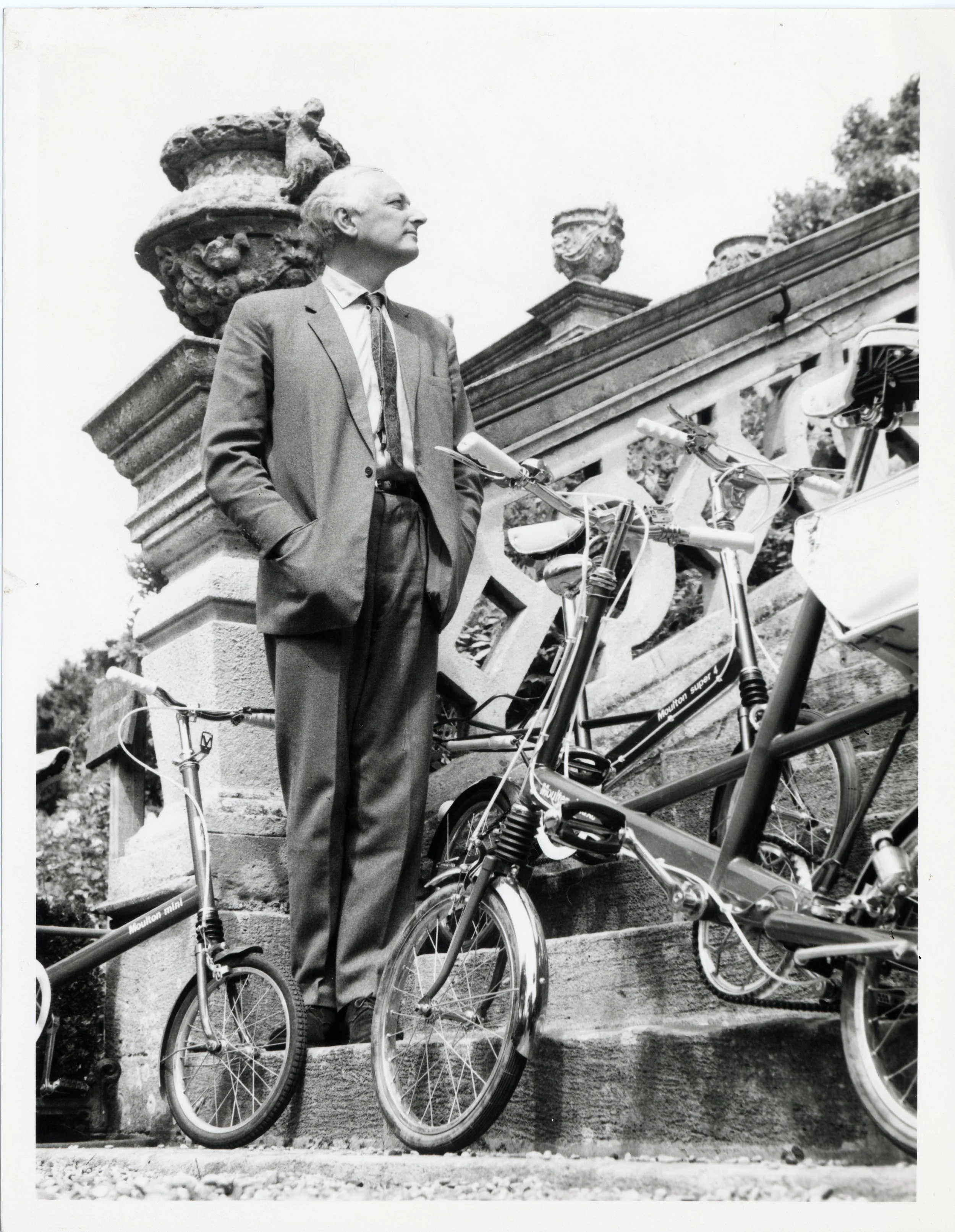
After his grandmother's death, engineer and inventor of the Moulton Bicycle, Dr Alex Moulton acquired full ownership of The Hall Estate. For over six decades, Alex Moulton lived alone in The Hall Estate, dedicating himself to engineering innovation and preserving the grandeur of the house he cherished. His distinguished life came to a close in 2012, leaving behind not only a remarkable legacy of invention but also a deep and enduring connection to one of England’s finest Jacobean houses.
Residents of The Hall Estate
-

John Hall II
Originally built in 1610, The Hall Estate was constructed for John Hall II, a wealthy clothier whose success in the local wool trade reflected the prosperity of Bradford on Avon during the 17th century. The Halls were prominent figures in the local community, their legacy enduring through the house that still bears their name.
-

Rachel Bayntun
Rachel Bayntun, the illegitimate daughter of John Hall III, inherited The Hall Estate through a special Act of Parliament. At 16, she married William Pierrepont, but was widowed two years later. She later became the mistress of Lord Lumley and had two children with him. Rachel passed away at the age of 27 in 1722.
-

Evelyn Pierrepont
Evelyn Pierrepont, 2nd Duke of Kingston upon Hull, was a British nobleman and the son of Rachel Bayntun and William Pierrepont, who inherited The Hall Estate in 1726. Known as “the handsomest man in England” and an early excavator of the Roman Baths,he married Elizabeth Chudleigh in a scandalous union.
-

Elizabeth Chudleigh
Elizabeth Chudleigh, the self-styled Duchess of Kingston, was a controversial Georgian socialite who secretly married Augustus Hervey before marrying Evelyn Pierrepont, 2nd Duke of Kingston. When her first marriage was exposed, she became the first woman in Britain convicted of bigamy.
-

Charles Medows
Charles Medows, later known as Charles Pierrepont, 1st Earl Manvers, and nephew of Evelyn Pierrepont, would eventually inherit The Hall Estate after successfully challenging his uncle’s will. His inheritance followed a turbulent family dispute, further complicated by Evelyn Pierrepont’s bigamous marriage to Elizabeth Chudleigh.
-

Stephen Moulton
Stephen Moulton was an industrial pioneer who introduced the rubber industry to Bradford on Avon. After collaborating with Charles Goodyear in America, he brought the process of vulcanised rubber to Britain, reshaping local industry.
-

John Moulton
John Moulton was the son of industrial pioneer Stephen Moulton and continued his father’s legacy in the rubber industry at Bradford-on-Avon. Under his leadership, the family business expanded its production and reputation for engineering excellence, alongside the preservation of The Hall Estate into a family home.
-

Alice Moulton
Alice Moulton, wife of John Moulton, was a woman of deep Christian faith and a respected figure in Bradford on Avon. Following the deaths of her husband and two sons, Alice devoted herself to preserving The Hall Estate and maintaining the Moulton family legacy alongside her three grandchildren, ensuring that the estate and its heritage endured for future generations.
-

Alex Moulton
Dr. Alex Moulton was an innovative engineer and inventor best known for creating the Moulton bicycle and pioneering the rubber suspension systems used in the iconic Mini. A descendant of Stephen Moulton, he continued the family’s tradition of engineering excellence, transforming The Hall Estate into a centre of design, creativity and automotive invention.

The Hall Herald
Uncover the rich history, hidden stories, and ongoing journey of The Hall Estate. Explore the fascinating people, architecture, and events that have shaped this magnificent Grade I-listed Jacobean mansion.
Video Library
Explore our growing archive of rare and historic footage from The Hall Estate. From early recordings of Dr. Alex Moulton and his pioneering engineering work to glimpses of life at The Hall Estate across the decades, this collection offers a unique window into the estate’s remarkable past.
